How Palona Voice AI Works With Toast: From Phone Call to POS Order
By Palona AI | October 2, 2026
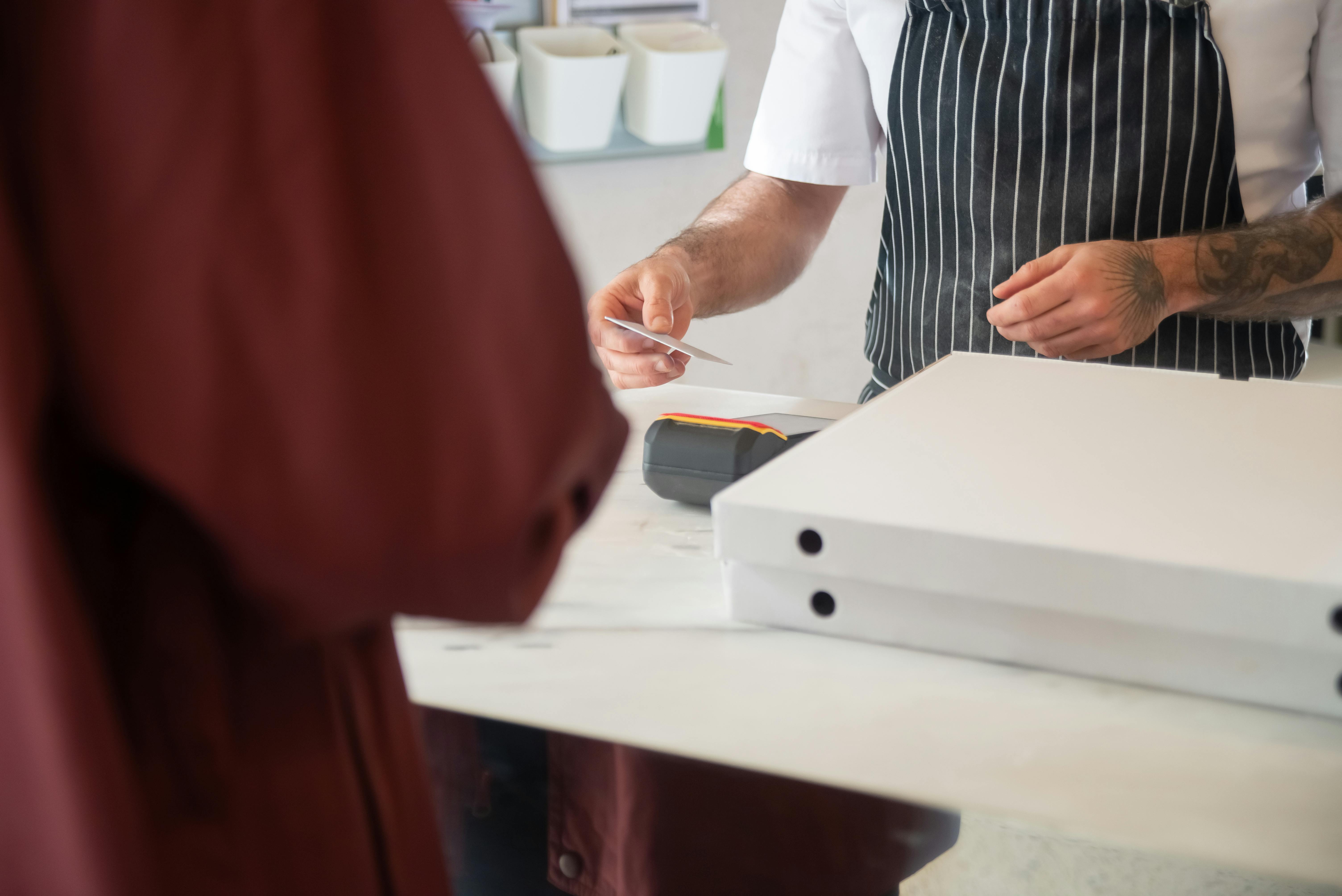
Your restaurant already uses Toast to manage orders. But when a guest calls to place one, someone still has to answer the phone, explain the menu, and enter the details.
During a busy service, that can mean pulling a cashier away from the counter or asking a caller to wait. If nobody can pick up, the order may never reach Toast at all.
Palona Voice AI connects the phone conversation to the POS. It answers the call, helps the guest order, and sends the order directly into Toast so your team can focus on preparing food and serving guests.
Here is what that looks like, from the first question to the order your restaurant receives.
Does Palona Voice AI Integrate With Toast?
Yes. Palona is an official Toast partner. Its Voice AI takes restaurant phone orders and sends them directly into Toast, without requiring staff to re-enter the order from a message or transcript. You can find Palona in the Toast partner directory.
For an operator, the value is practical: a guest can place an order even when an employee is unavailable to handle the conversation.
The integration is part of a broader guest experience. Palona can answer menu questions, handle modifications, suggest additions, and transfer callers to staff when needed.
From Phone Call to Toast Order: How It Works
Imagine a guest calling during the dinner rush. They want a pizza with different toppings on each half, a salad, and pickup later that evening. This is an illustrative example of the kind of conversation Palona supports.
1. Palona answers with your restaurant’s information
The guest reaches an agent configured around the location’s menu, hours, and operating rules.
Palona’s voice, speaking style, greeting, and restaurant-specific phrases can be adjusted to reflect your brand. The goal is a helpful conversation that feels familiar to your guests.
If the caller starts with a question about the menu, Palona can help before taking the order. Your cashier can continue serving the line at the counter.
2. The guest chooses items and modifications
Restaurant orders rarely end with an item name. Guests choose sizes, add toppings, and ask for substitutions.
Palona supports complex modifications, including a pizza with banana peppers and onions on one half and olives and sausage on the other. It can also handle coupons and advance orders according to the restaurant’s configured offering.
For our example, the important details are the pizza selections, the toppings on each half, the salad, and the requested pickup time. Those details need to be captured as part of the order.
3. Palona can recommend a relevant addition
A guest ordering dinner may appreciate a suggestion for a side, dessert, or drink.
Palona’s recommendations can reflect your restaurant’s priorities and best-selling items. The suggestion should help the guest complete their meal, while giving your restaurant an opportunity to increase the order value.
The guest decides whether to add the item.
4. The order goes directly into Toast
Palona submits the phone order to Toast. Staff do not need to listen to a recording or copy the order from a separate inbox.
The restaurant then prepares and fulfills it through its configured operation. During onboarding, review how the submitted order reaches the staff responsible for making it, including the applicable kitchen routing.
You can explore the overall experience on Palona’s AI phone ordering page.
5. Managers can review phone activity
Palona’s Voice dashboard includes call volume, call transcripts, and the number and value of phone-generated orders.
Managers can review one location, a selected group, or all locations. That gives operators a way to understand what customers are calling about and how much ordering activity the phone generates.
These are phone-order measures. An order recorded in the system should not automatically be counted as paid or fulfilled.
What Happens When a Guest Needs a Person?
Some callers need staff judgment: a complaint about a previous visit, a request outside the menu, or help that requires speaking with the manager.
Palona can transfer calls to restaurant staff. You can configure transfer behavior around your team’s preferences and decide which conversations should reach a person.
The phone setup matters here. Palona can provide an agent number that transfers to the restaurant’s existing number. Alternatively, you can keep your public number and forward calls to the agent. With forwarding, a separate staff line is recommended so transferred calls reach your team instead of looping back to the AI.
What Should You Check Before Going Live?
Bring your actual Toast menu and common phone requests to the demonstration. A useful review follows the same order through the conversation and into the POS.
- Items and modifications: Does the final order contain what the guest requested?
- Location information: Does the agent use the correct hours, menu, and restaurant policies?
- Order routing: Does the order reach the staff who need to prepare it?
- Staff transfers: Can a caller reach the right person when help is needed?
- Payment: What payment process applies to your location, and what does the guest need to do?
Our explanation of quality control at Palona describes why checking the submitted order matters as much as listening to the conversation.
For a restaurant group, include more than one location in that review. Shared branding should work alongside differences in menus, hours, and operating rules.
Give Phone Customers a Way to Order During the Rush
Your guests should be able to order dinner without your team having to choose between the phone and the people at the counter.
Palona Voice AI helps capture that demand, guide the customer through the menu, and put the order into Toast. For your staff, that means less time entering phone orders and more time delivering the hospitality guests came for.
Book a Palona demo to follow an order from the phone conversation into Toast using your restaurant’s menu.