The Tesla Effect: Why Every Brand Suddenly Wants to Feed You
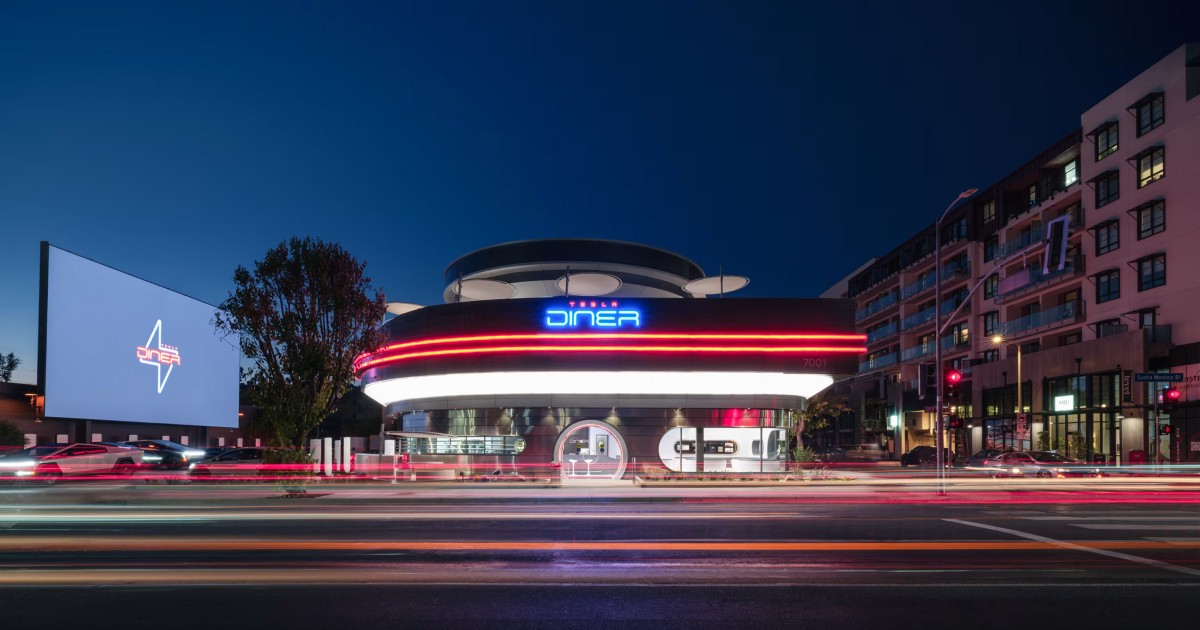
I recently visited the Tesla Diner in Hollywood, and I have to say: it is quite an experience.
Not just because of the food, the cars charging, or Optimus robots displayed outside.
It was interesting because it felt like a larger trend coming to life in real time.
Tesla is not the only brand expanding into restaurants. RH has built restaurants into its design galleries. Ralph Lauren has Ralph's Coffee and fine-dining concepts like The Polo Bar.
Luxury brands, lifestyle brands, and now technology brands are all asking a similar question: what if the next great brand experience is not a store, but a meal?
The flagship store is becoming the flagship experience
For decades, brands used flagship stores to express who they were. Apple made technology feel simple and beautiful. Nike made athletic identity feel immersive. Luxury boutiques made you feel like you had accidentally entered a world where nobody checks their bank account.
But today, people do not need to go to a store to buy things. We shop online, compare reviews, watch unboxing videos, and make emotionally questionable purchases from bed. Physical retail needs a new reason to exist.
Restaurants provide that reason.
You may not be ready to buy a Tesla, a Ralph Lauren wardrobe, or an RH sofa that costs more than your first car. But you might stop by for a coffee, a burger, or a salad.
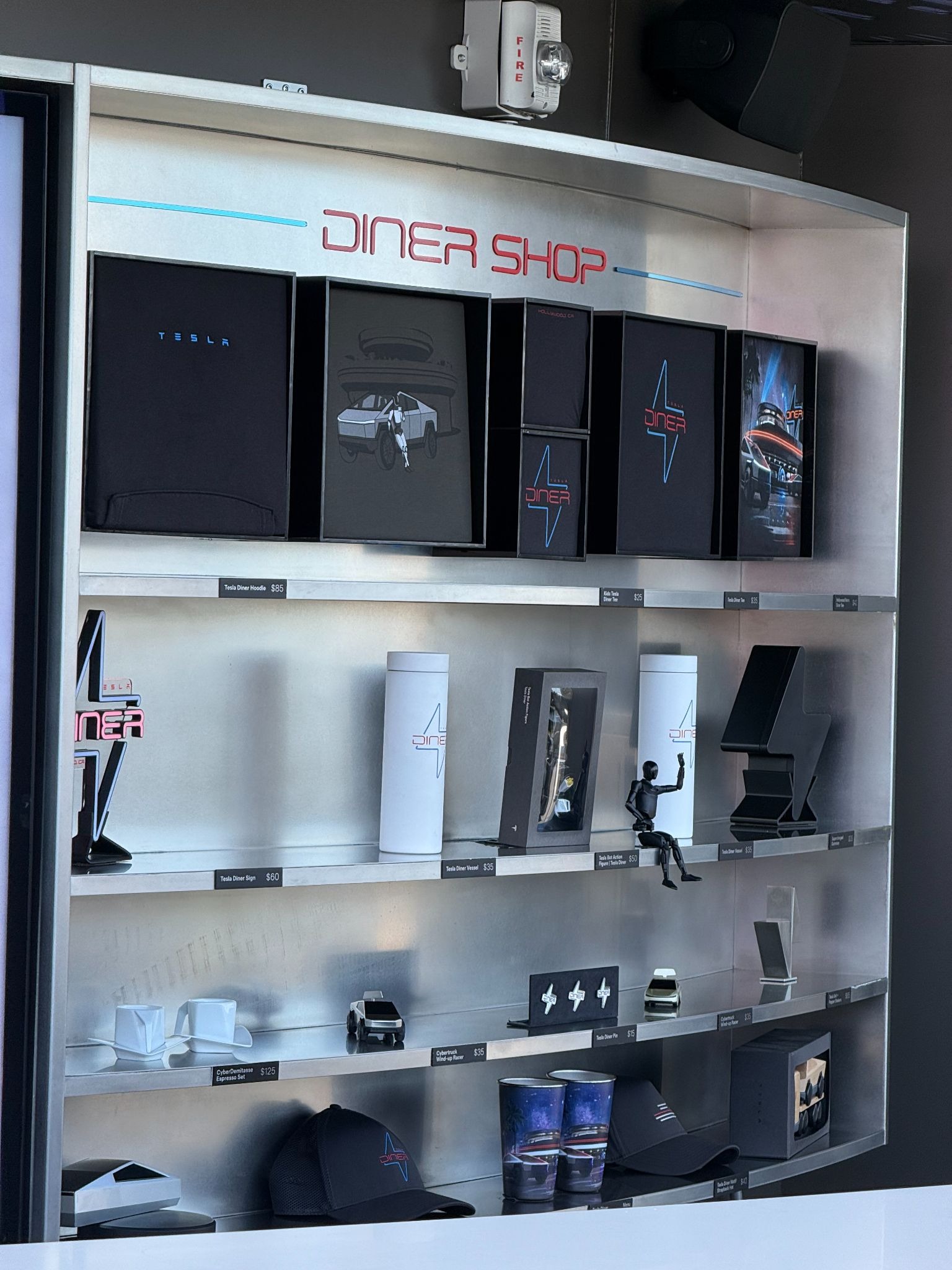
A restaurant gives people a lower-barrier way to enter a brand world. You are not just looking at the brand. You are sitting inside it. Eating inside it. Taking photos inside it. Maybe buying the branded tumbler on your way out even though you absolutely did not need another tumbler.
That is powerful. Food turns aspiration into participation.
Why restaurants are so attractive to brands
1. Restaurants create dwell time
A store visit can be quick. A restaurant makes you stay. You sit, you order, you wait, you look around.
For a brand, that time is incredibly valuable. It is not an ad flashing by in half a second. It is 30, 60, maybe 90 minutes of physical presence.
2. Food is the most universal consumer interface
Everyone understands restaurants. You do not need to explain the user journey. Walk in, sit down, order, eat.
For brands, that simplicity is incredibly powerful. Restaurants are high-frequency, emotional, and deeply human. Entering one means entering one of the most familiar parts of daily life.
3. Restaurants turn customers into media
These spaces are built to be photographed. The circular door. The rooftop. The branded cups. The dramatic lighting. People post where they eat, what they ordered, the view, the weird robot in the corner.
A great restaurant becomes a distribution engine without feeling like traditional marketing.
4. Restaurants make abstract brands tangible
A brand is an idea. A restaurant turns that idea into something you can taste.
Tesla is not just cars. It is technology, futurism, and the idea that tomorrow should look a little more cinematic than today.
A restaurant lets people step inside that world.
The future keeps borrowing from the past
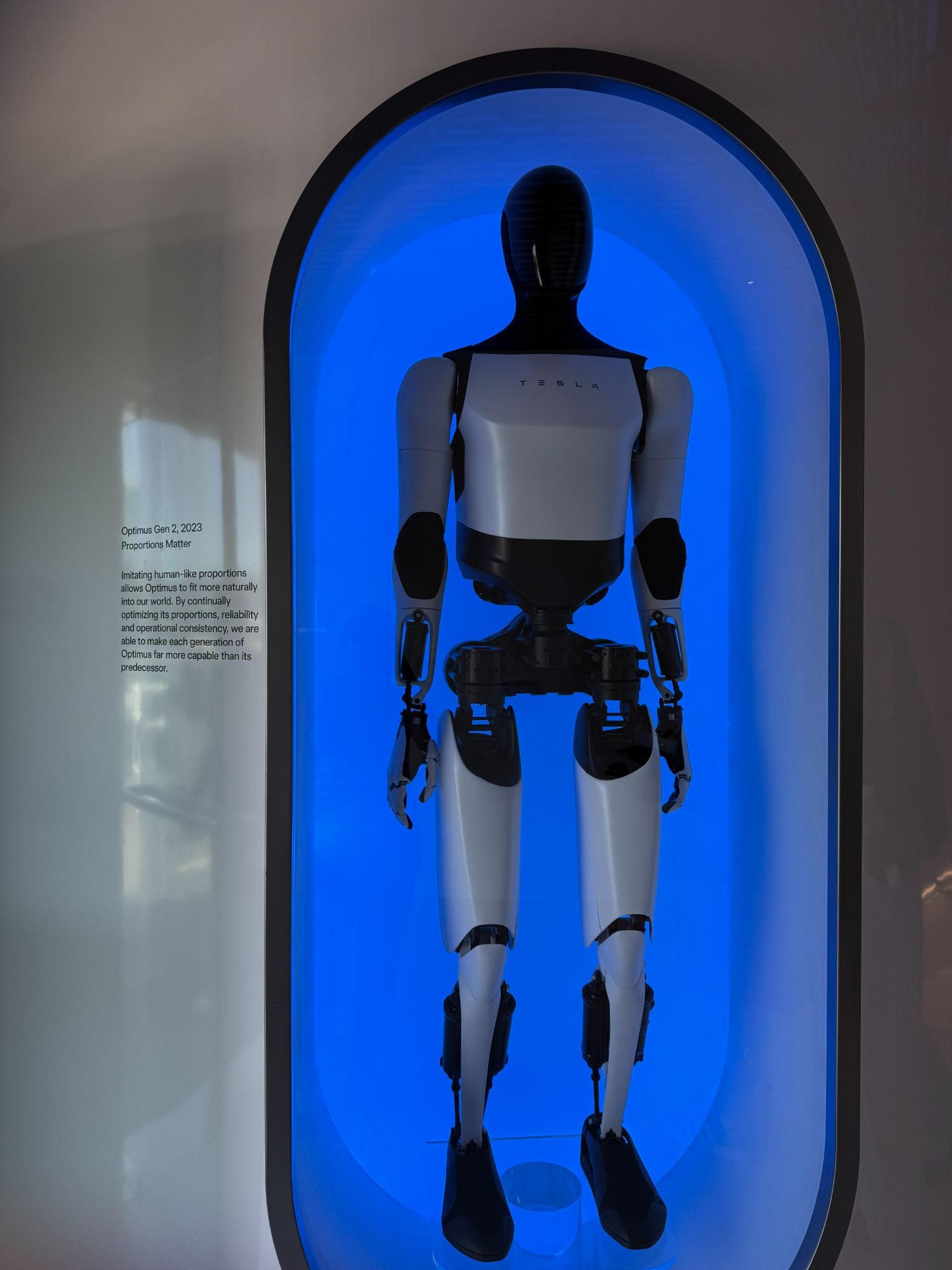
What I loved most about Tesla Diner is that it is not purely futuristic. It is futuristic retro. Classic diner format, nostalgic drive-in screen, familiar food. Then you add robots, EV charging, and a building that looks like it landed from a 1960s science fiction film.
That combination works because the future feels less intimidating when it arrives with a milkshake.
The best experiences blend something familiar with something new. That is what these brands have figured out. And it is something I think about at Palona constantly. AI that answers the phone the moment it rings, so the guest on the other end still feels taken care of. The technology is new. The hospitality is not.
If you want to see what futuristic retro looks like inside a restaurant, book a demo call with our team at https://cal.com/team/palona/demo.