The World Cup Was a Revenue Expansion Opportunity for Restaurants. Did You Catch It?

Spain won the World Cup this Sunday in dramatic fashion, securing a 1-0 win against Argentina with a goal in the 106th minute. Congratulations to Spain, and my apologies to the Argentina fans reading this.
But aside from stellar soccer, the World Cup also brought an interesting development to the restaurant industry.
For 6 weeks, restaurants ranging from quick service to fine dining started airing the game. The result was watch parties that rivaled those of sports bars.
The best part? It boosted revenue.
So, should you consider turning your restaurant into a sports bar? Or is there something bigger going on here?
Restaurants Break Character
During the World Cup, restaurants that have nothing to do with sports bought TVs and dug out old projectors to host watch parties.
In Brooklyn, the owner of Leland opened up a backroom to guests, and streamed the game on a previously unused projector. In Union Square, a high end Italian restaurant installed two new screens to air the game. A cocktail bar in Rockefeller Center went even further, partnering with a travel startup to build an entire pop-up soccer club inside its space.
For a few weeks, restaurants that were never built to be sports bars started acting like one.
Counterintuitive, But Profitable
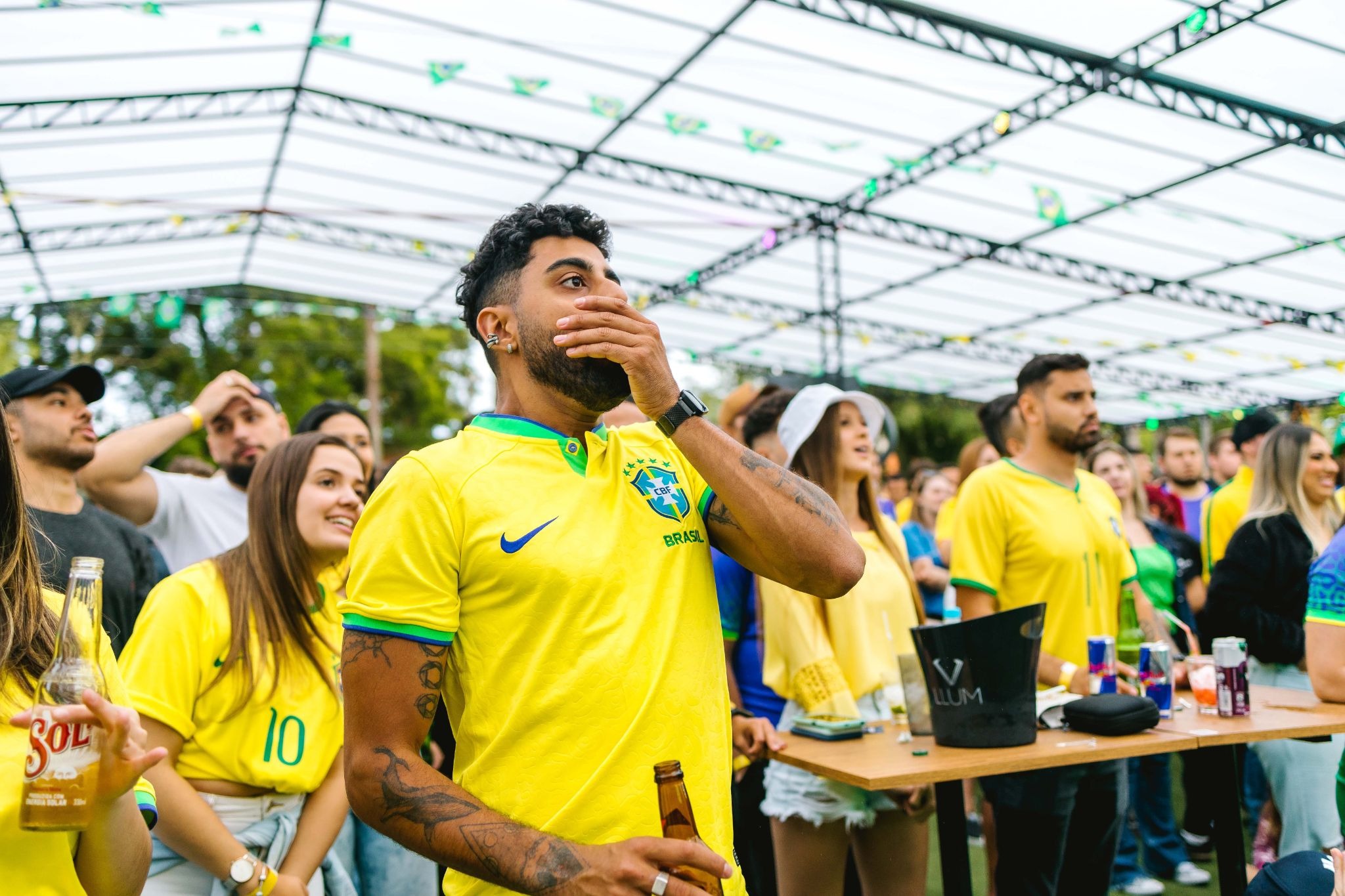
It may seem counterintuitive to turn a fine dining experience into a rowdy watch party, but the numbers are pretty remarkable.
According to data from Square, Boston bars and breweries saw a 28% jump in transaction volume during the tournament's group stage. This was the largest transaction increase of any U.S. host market tracked during the tournament, which proves that fans were actively spending money where they watched.
While some of this performance is attributed to increased tourism during the games, the watch parties also played a significant role.
The Federal Reserve’s Beige Book, which tracks regional economic health, specifically called out restaurants and bars hosting watch parties as having exceptionally "strong" sales. Crucially, the Fed noted this was an isolated boost that was entirely separate from the city's general seasonal tourism.
The Real Takeaway: Flexibility Wins
Maybe you don't need to turn your restaurant into a sports bar. But there may be something larger at play here.
The restaurants that benefited most during the World Cup weren't necessarily the ones with the biggest screens or the best sound systems. They were the ones willing to be flexible, hopping on a trend even when it arguably questioned their own identity.
A fine-dining restaurant showing soccer in its back room is strange on paper, but it worked anyway. Today, consumer trends move faster than anyone can plan for. Perhaps the winners are operators who have the flexibility to say "yes" when a sudden wave of demand hits.
Capture Every Opportunity with Palona
The next World Cup is four years away, but the next big industry trend or sudden surge could happen tomorrow. To cash in on those moments, your team needs the bandwidth to pivot without breaking your operations.
That is where Palona comes in. We help restaurants build the ultimate operational flexibility, automating backend tasks such as phone calls and catering orders, so your floor staff can focus on hospitality.
If you want to learn how Palona can help your restaurant build that kind of flexibility, book a call with our team at palona.ai/contact.