Starting and Growing a Career in Web Design
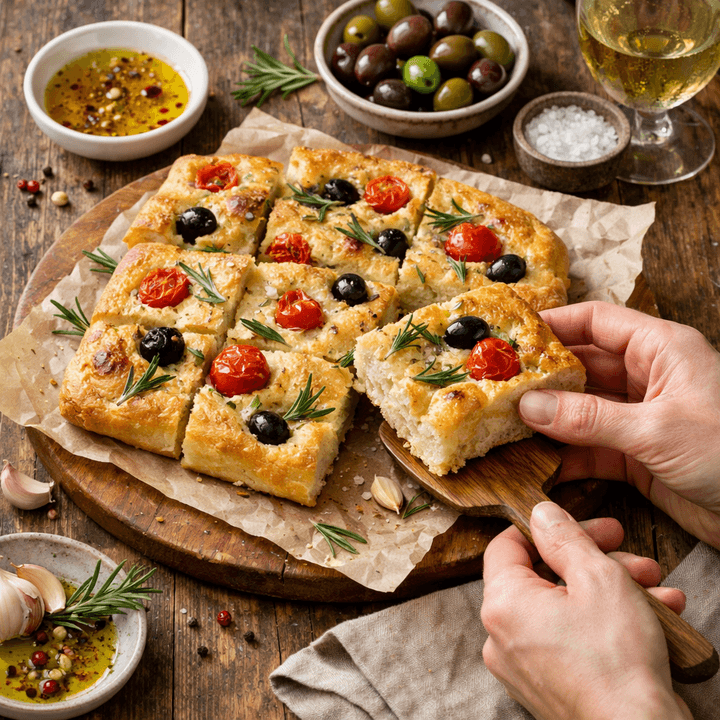
Last week, I watched a server at a neighborhood Italian spot slide a tiny square of focaccia onto a guest’s table, unprompted, unannounced, still warm. The guest looked up, startled. “Oh, is this…?” The server smiled. “Chef just pulled it. Thought you’d like it.” The guest’s face softened. She took a photo. Then she ate it slowly, like she’d been given a treasure.
It wasn’t on the menu, and it cost the restaurant maybe thirty cents. But I’d bet anything she’ll be back next week.
A tiny surprise that brings people back
There’s a term catching fire in 2026 neuro-marketing research: “dopamine dining.” The idea is simple, but the science is startling. An unexpected micro-gift, a hand-written note, even a branded sticker tucked into a to-go bag, triggers a 40% higher return rate than a traditional discount. Not a coupon. Not 10% off your next visit. Just something small, surprising, and unearned.
The reason? It’s not about the dollar value. It’s about the dopamine hit of getting something you didn’t ask for.
When generosity requires brain space
I’ve been thinking about this a lot lately, because I keep hearing the same thing from restaurant operators: “I know we should do more of this. I know these moments matter. But we’re drowning.”
And I get it. When your team is stuck on hold with a vendor, or fielding the same phone question for the eighth time in an hour, or toggling between three reservation platforms, there’s no bandwidth left for noticing. No space to see the guest who just got stood up on a first date, or the regular who’s having a rough week, or the quiet couple celebrating something you’ll never know about unless you slow down long enough to ask.
Generosity, the kind that builds loyalty, requires two things: awareness and time. And right now, most restaurants are running out of both.
The amuse-bouche effect isn’t just about food
The research calls it the “unexpected extra,” but I think of it as the amuse-bouche effect. It’s that moment when a restaurant shows you they see you, not as table 12 or ticket 47, but as a person worth delighting.
It doesn’t have to be food. It could be remembering someone’s name. Offering a glass of water before they ask. Swapping out a side without making it feel like a favor. The gesture itself matters less than the feeling it creates: They thought of me.
A small, unexpected extra can do what discounts can’t: make a guest feel seen, and that’s what brings them back.
And here’s the thing, this isn’t just good hospitality. It’s your most profitable marketing tool. Because a guest who feels seen doesn’t just come back. They bring friends. They post. They become the kind of customer you can’t buy with a Groupon.
But you can’t manufacture these moments on a checklist. They have to come from humans who have the space to notice.
Buying back time to be generous
This is where I start thinking about what actually blocks generosity in restaurants. It’s rarely intention. It’s almost always capacity.
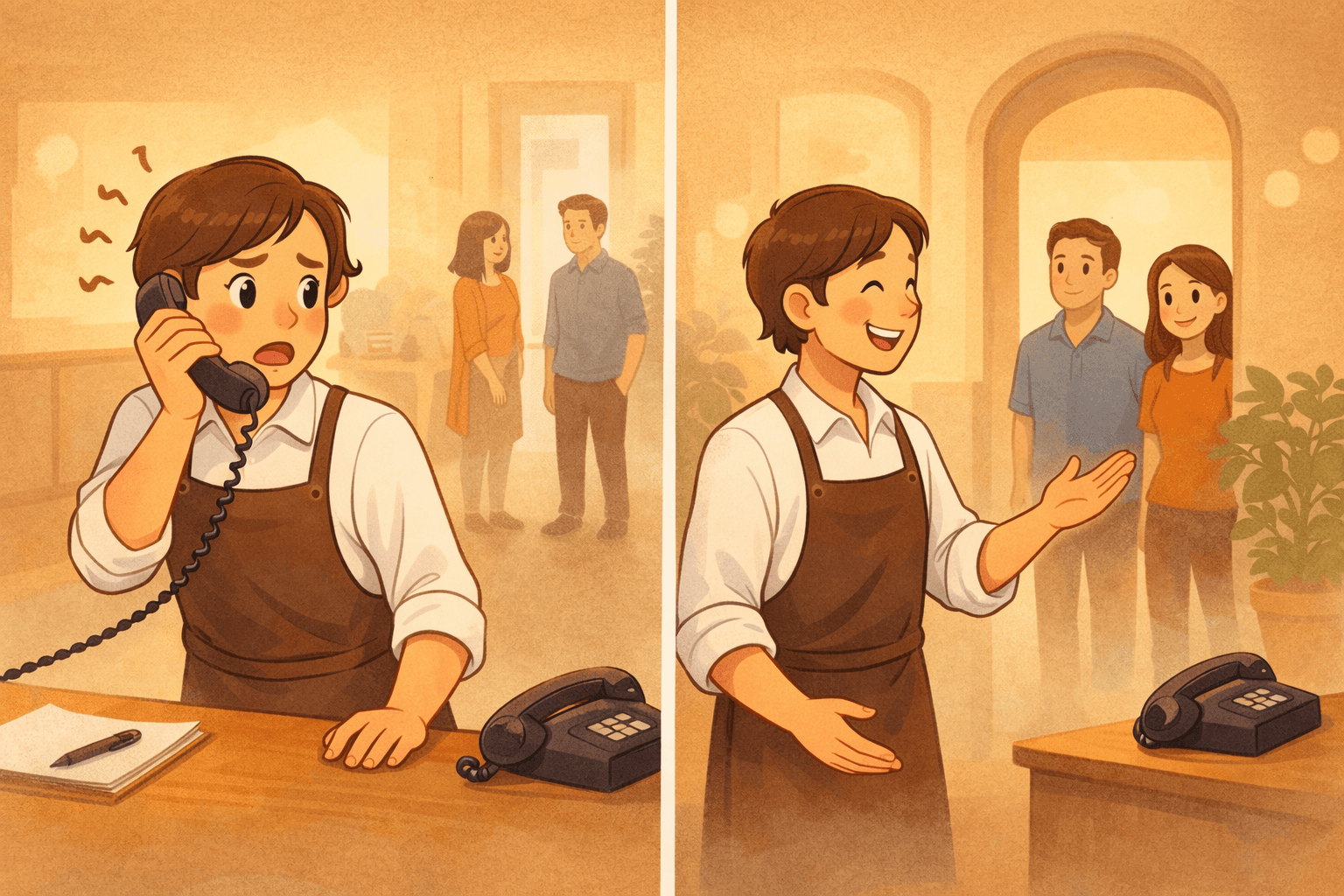
If your host is trapped on the phone during the dinner rush, they’re not greeting guests at the door. If your manager is stuck re-entering online orders, they’re not checking in on the floor. If your team is buried in operational noise, the tiny, magical moments slip through.
Voice AI, the kind that picks up the phone, answers questions, takes orders, and doesn’t need a break, doesn’t replace hospitality. It protects it. It buys back the brain space your team needs to do the work that actually matters: noticing, connecting, delighting.
It’s not about automation for efficiency’s sake. It’s about creating room for the things technology can’t do. The warm focaccia. The quiet check-in. The moment that makes someone feel like more than a transaction.
A final thought
Discounts train people to wait for a deal. Dopamine trains them to come back because they want to.
The restaurants that win in 2026 won’t be the ones shouting the loudest or discounting the deepest. They’ll be the ones that make people feel something unexpected. The ones that have the space, and the staff, to be generous in the smallest, most human ways.
And if that sounds impossible right now, I’d just ask: where is your team’s time actually going?
Because the science is clear. The amuse-bouche effect is real. But it only works if someone’s there to notice the moment, and free enough to act on it.
If you’re curious how voice AI might help create more of these moments in your restaurant, I’m happy to chat.
