Starting and Growing a Career in Web Design
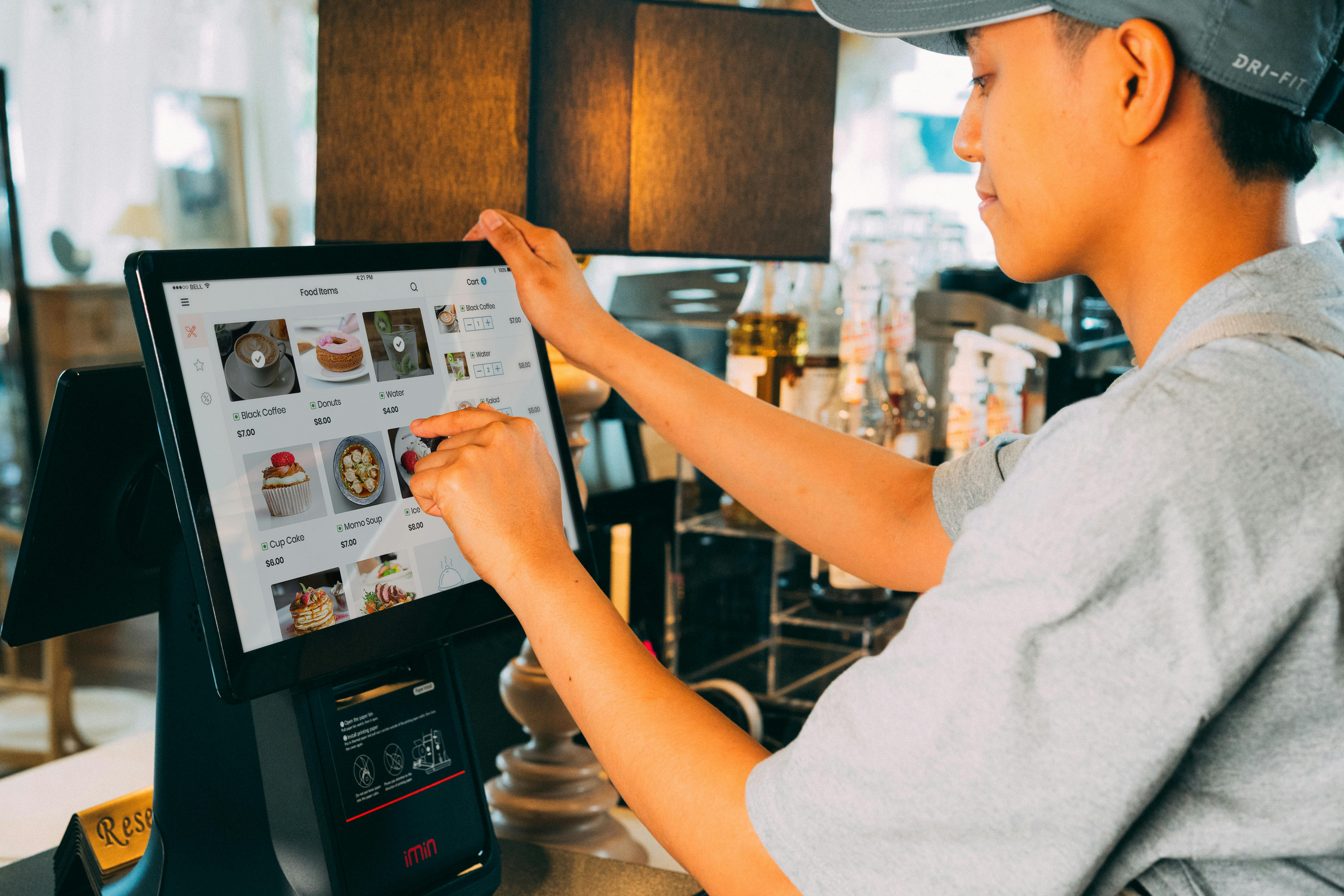
A few weeks ago, an article crossed my desk that I have not been able to stop thinking about. A venture investor was connecting two worlds I know well: restaurants and software.
His argument was simple. Years ago, anyone with a recipe and a few thousand dollars could open a restaurant. You did not need credentials or connections. You just needed an idea and a willingness to bet on yourself.
He believes software is heading the same direction — that AI is making it possible for almost anyone to build something, the same way a cheap storefront once made it possible for almost anyone to open a restaurant.
I read it and thought: I have been watching this happen for years. Just not in software. In restaurants.
The Technology Gap That Nobody Talked About
One of the first things I noticed when I started building for this industry was how unequally technology was distributed across it.
On one side, the large chains. Dedicated technology teams, enterprise software, tools built specifically for their needs. Real-time data across every location. Systems that talk to each other and surface problems before they become expensive.
On the other side, everyone else. The independent operator, the regional group, the family running a tight operation across a handful of locations. They had access to technology too, but it was a watered-down version of what the chains had. Built for someone else, priced for someone larger, and complex enough to require time and expertise that most operators simply do not have.
That gap was not just about size. It was about access to good tools. And it had been accepted as a fact of life for so long that most operators had stopped expecting anything different.
This is what the article is really getting at, even if it does not say it directly. When the barrier to building something drops, the people who were always capable but never had access are the ones who benefit most. That is true for software founders. And it is true for restaurant operators right now.
What Building for This Industry Taught Me
When we started building Palona, the goal was never to choose between serving large operators and small ones. It was to build something powerful enough for the most demanding restaurant in the world that was also simple enough for a one-location operator to use on day one.
That is harder than it sounds. Because the tools that existed before were built for one or the other. Enterprise software assumed resources most independents did not have. Tools built for independents lacked the depth that larger operators needed. Nobody had closed that gap.
What I learned from working closely with operators across both ends of the spectrum is that their core needs are not actually that different. A phone that picks up every call the way a great employee would. A way to know what is happening across the operation in real time without having to be physically present. Tools that work reliably in a fast, unpredictable environment without creating new problems to manage.
The difference was never in what they needed. It was in what they had been given access to. And that is exactly the gap we set out to close.
What This Means Right Now
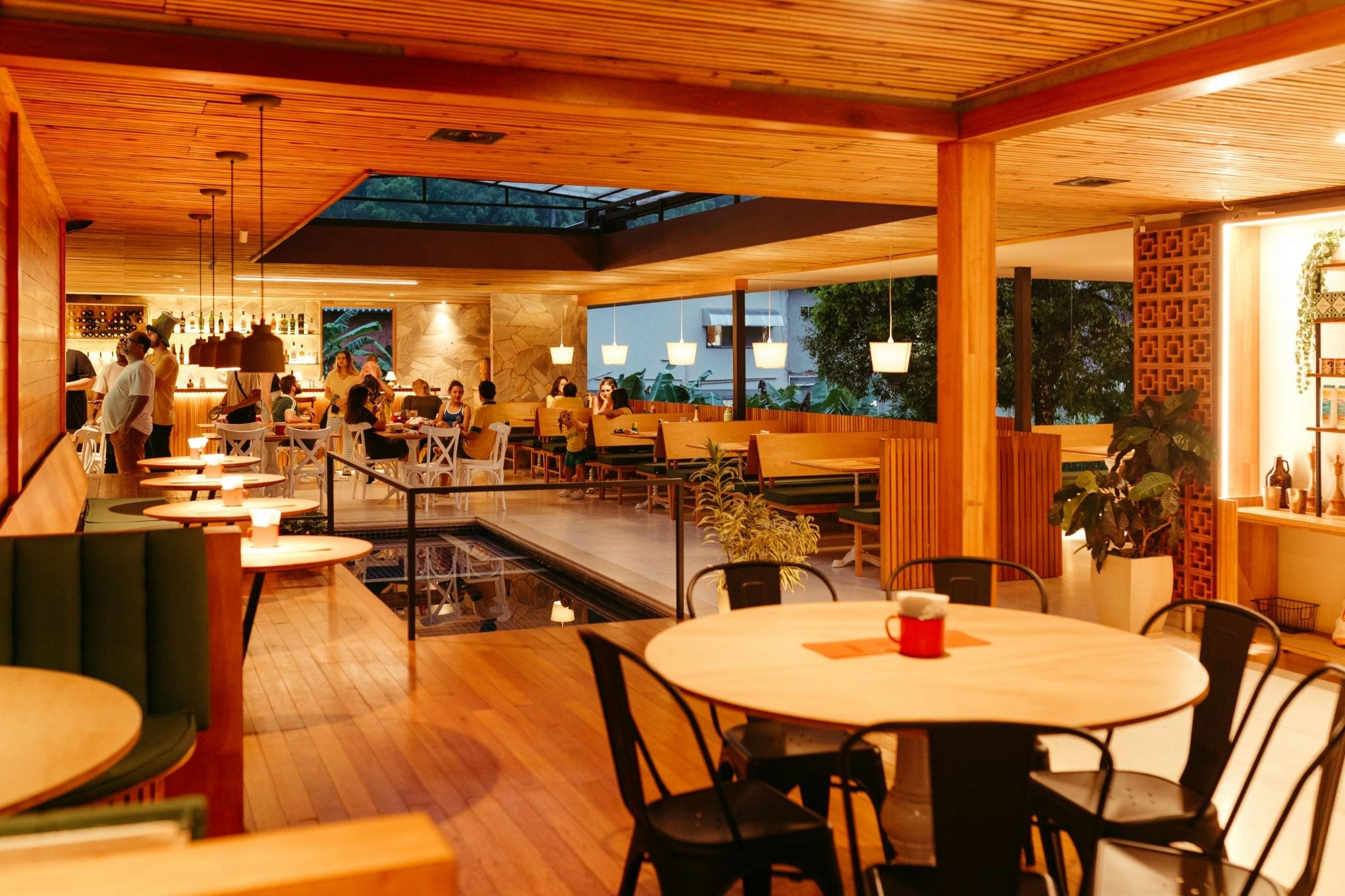
If AI is making it easier for more people to build software, the reverse is also happening: the operators who run restaurants are finally getting access to tools that were never built for them before.
The capabilities that used to require a chain's budget and a dedicated technology team are now within reach of any operator willing to try them. Voice AI that handles every call the way your best employee would. Vision AI that watches every shift through the cameras your restaurant already has and catches problems before they reach the guest. Workflow tools that connect these pieces so the whole operation runs more intelligently, not just one part of it.
For the large operator, this means a level of consistency and visibility across locations that was previously very hard to achieve. For the independent operator, it means access to technology that was simply out of reach before. For both, it means the same thing: a team that gets to focus on the guests in front of them, because everything else is already handled.
The Bet I Made and What I Believe Now
I chose restaurants at a time when a lot of people thought it was the wrong market. The margins were thin, the operators were stretched, and the conventional wisdom was to go somewhere with bigger contracts and easier sales cycles.
What I saw was an industry full of incredibly capable people who had been making it work with tools that were never designed for them. That felt like work worth doing.
Those are the people this technology should serve. And I believe we are finally in a moment where it can.
If you want to see what that looks like for your restaurant, we would love to show you. Book a call with our team at palona.ai.
Maria Founder and CEO, Palona AI
