Starting and Growing a Career in Web Design
Most small restaurants miss more calls than they realize. Guests want to reach them. They search for the number, they call during service, they want to ask about the menu before they make the drive.
And most of the time, nobody answers. Not because the restaurant does not care, but because there is one person on the floor, three tables that need attention, and a kitchen that cannot run itself.
The call goes unanswered, the guest moves on, and the restaurant never knows what it missed.
This is the story of what happened when one restaurant finally picked up.
A Number, Posted Quietly
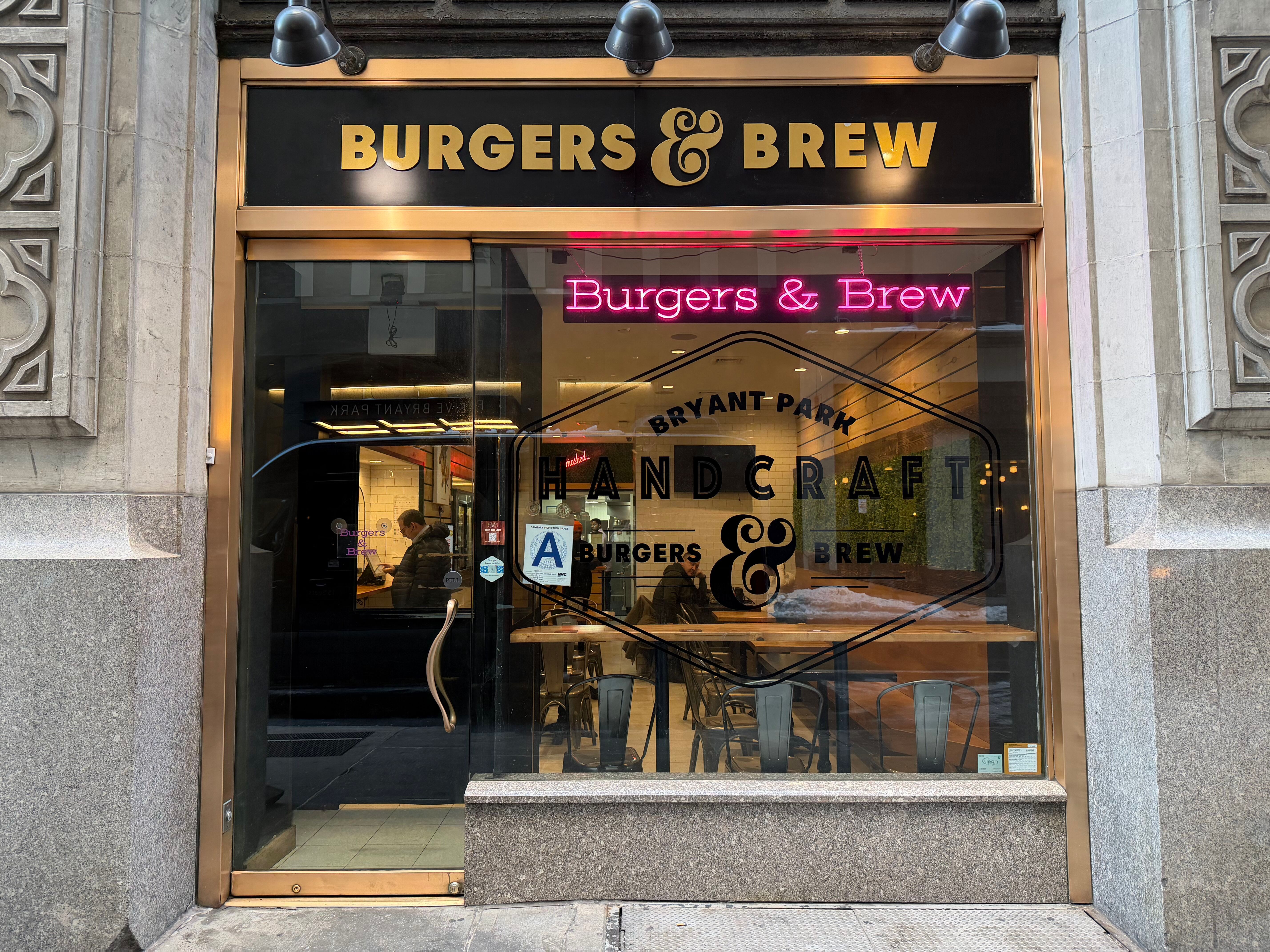
Handcraft Burgers and Brew is a locally owned Burger joint in the heart of Bryant Park New York City. They care deeply about the relationship with their guests, and decided staffing the floor was more important than staffing the phone, so they did what a lot of restaurants do … unplugged the phone. .
When their CMO and co-founder, Rev Ciancio decided to try Palona, his expectations were modest. He thought it might help answer a few questions here and there, hours, location, the usual. He added the number to his Google Business Profile and made no announcement.
Within six weeks, 275 calls had come in from 238 unique callers.
Think about that for a second. No campaign. No announcement. No post on social media telling regulars a number even existed. The demand was already there. It just finally had somewhere to go.
But here is where it gets interesting. When our team brought up the idea of enabling ordering through the agent, Rev was quite frank. He had very high confidence the agent could answer questions. Very low confidence that anyone would actually call to place an order. He agreed to turn it on anyway, mostly to see what would happen.
What happened was orders. Customers who had called to ask about the menu discovered they could just order right then, paid for through a checkout link, without a human ever having to get involved.
What Those Calls Were Actually Costing Before
Here is the part that often gets overlooked in conversations about restaurant technology.
Every call a human handles takes time. Not just the call itself, but the actions behind the call – picking up, the greeting, the looking something up, the wrapping up. Conservatively, that is about 1.7 minutes per call when you factor in everything. Across 275 calls, that is nearly 8 hours of staff time over six weeks. Projected forward, that is 156 hours a year, roughly 19 full eight-hour shifts, spent answering the phone instead of serving the person standing right in front of you.
At New York labor rates, that comes out to close to $4,000 a year in wages spent on a task that, at a one-location restaurant, comes directly at the expense of everything else. And a significant portion of those calls were spam. Robocalls, solicitations, the usual noise that plagues any business the moment a phone number goes public. Rev's team absorbed none of it. The agent handled every single one.
Rev Ciancio put it simply: "We put kiosks in our store so our team could do more table touches throughout the meal. It's a much better use of their energy and skills. Likewise, we have AI answer our phones so the team can stay engaged with our guests instead of hanging up on robocalls. Using Palona has made that both easy and fun."
The Part That Makes Me Smile
Rev did not spend weeks setting this up. He did not hire a consultant or brief an agency. He had his nine-year-old son record his voice and share a few things about himself: his hobbies, his favorite Pokemon, his favorite thing to order at the restaurant (chicken nuggies!). That became the foundation for Handcraft's AI agent, who now goes by Jack AI.
Some callers have asked Jack AI if he is a real person! More than a few have ended the call without ever knowing they were talking to AI. Not because the technology is hiding anything, but because Jack actually sounds like someone who belongs there.
That is what good hospitality technology should feel like. Not a system bolted onto the front of your restaurant, but something that fits so naturally into the experience that guests never have to think about it.
The Lesson For Restaurant Owners
Handcraft is one location. One owner. A team stretched across every shift.
What their story makes clear is that the gap between "we cannot afford to be on the phone all day" and "we are losing customers we do not even know about" is smaller than most operators think. The people who want to reach you are already looking. They are searching for your number, calling to ask if you are open, wondering if they can place an order before they leave the house.
The question is just whether anything is there when they do.
If you want to see what this looks like for your restaurant, we would love to show you. Book a call with our team to learn more.
