Starting and Growing a Career in Web Design
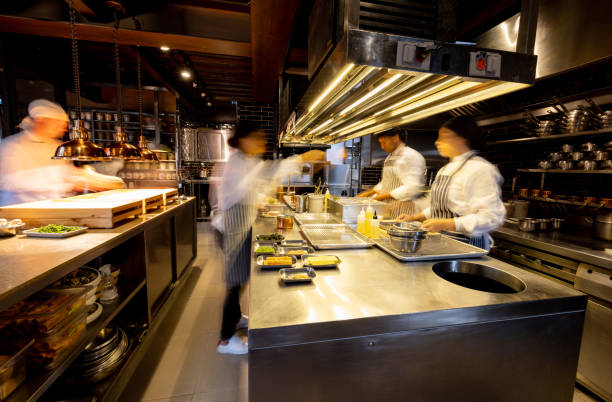
There's a livestream trend quietly taking over restaurant culture, and I've been thinking about it all week.
It started in Shanghai, restaurants pointing a camera at the kitchen and streaming it, live, for anyone curious enough to watch. No filters, no editing. Just the real thing. Diners could watch from home before they decided to show up. Or they'd watch while waiting, phone in hand, checking whether their order was moving.
The surprising part? People loved it. The chaos didn't scare them off. It made them patient. There's something about seeing the rush, really seeing it, that makes a 20-minute wait feel reasonable instead of rude.
But here's where I keep getting stuck.
What the camera can't do
A livestream is a gift to the customer. It's not a tool for the operator.
Your guest watches the feed and thinks: okay, they're slammed, I'll be patient. Meanwhile, you're still inside the chaos, running on instinct and adrenaline, with no clearer picture of what's actually breaking down than you had before the camera went up.
The camera sees everything. It fixes nothing.
This is the gap that interests me. Because the same footage that builds guest trust, the full tickets, the station bottlenecks, the pickup orders sitting unclaimed at the counter, is also a map of every operational problem in your restaurant. The question is whether anyone is actually reading it.
Most of the time, no one is. Not because operators don't care, but because there are twelve other things happening simultaneously and a camera feed is just one more thing to watch. (Turns out, "watching" and "understanding" are very different skills, even for humans.)
The intelligence layer most kitchens are missing
But what if the feed wasn't passive?
What I mean is: what if the camera wasn't just showing you the kitchen, but quietly understanding it, and doing something about what it sees?
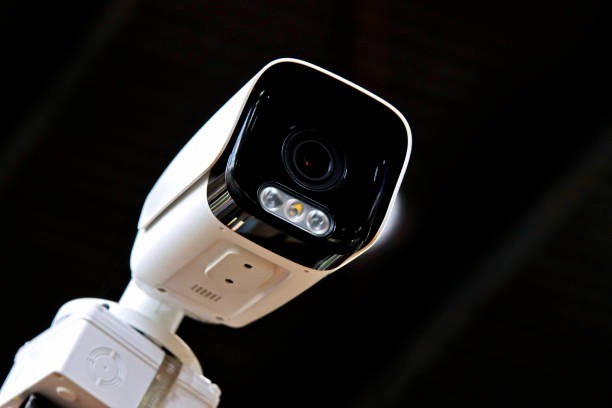
This is the idea behind Palona's Vision AI. It's not new hardware. It plugs into the security cameras already mounted in your restaurant, the ones that have been recording footage nobody reviews, and turns that footage into something operational.
It notices when a queue is building at the counter and by how much.
It tracks how long a pickup order has been sitting without being acknowledged.
It catches when a trash can is overflowing mid-rush, or when a station's cleanliness has slipped below standard.
It flows directly into the POS and kitchen display system, so staff aren't managing another screen.
The shift is subtle but significant. A livestream makes transparency visible to guests. This makes it actionable for the people running the room.
When the kitchen and the phone call the same thing
Here's where it gets interesting. The reason diners are patient when they see a busy kitchen on a livestream is that they understand context. They're not waiting because the restaurant doesn't care, they're waiting because the restaurant is genuinely slammed. Context creates grace.
The problem is that the guest on the phone doesn't have that context. They call, the line rings, no one answers, and the story they tell themselves is not "they're busy." It's "they don't care."
This is the moment where Vision and Voice have to work together. When Vision detects the kitchen is backed up, the voice system, the one that answers the phone, automatically adjusts the lead times it quotes. No manual update from a stressed manager. The guest gets an honest answer that matches reality, and the trust that the livestream builds in person extends to the phone call too.
The same logic applies when a regular walks in. Vision recognizes a familiar face; the memory system surfaces their preferences for the server. The guest feels known.
The camera is only half the idea
I keep coming back to that image of a restaurant camera, pointed at the kitchen, streaming the beautiful mess of a dinner rush. The instinct is right. Guests want to see that you're real, that real people are making real food under real pressure. That transparency is worth something.
But a camera that watches is only half the idea. The restaurants that will be remembered, the ones guests talk about, return to, recommend without being asked, are the ones where the behind-the-scenes actually works as well as the front of house feels.
If you're curious what that looks like in practice, I'm happy to chat.
